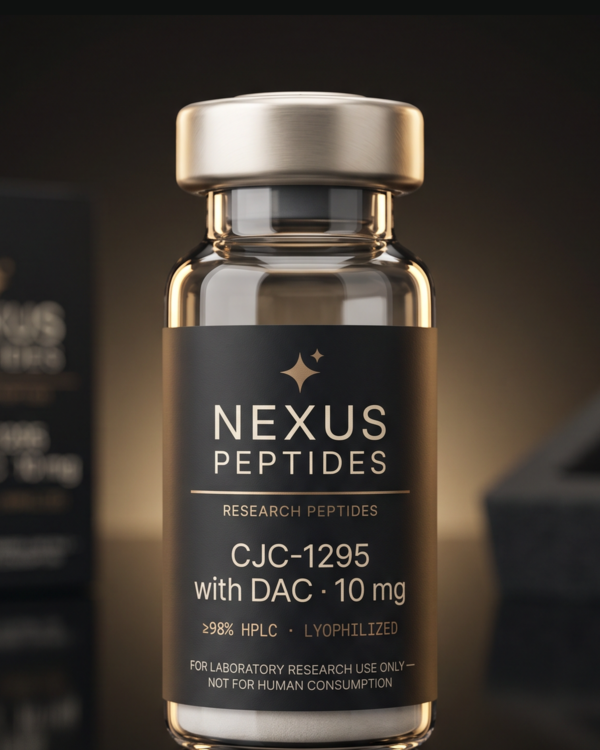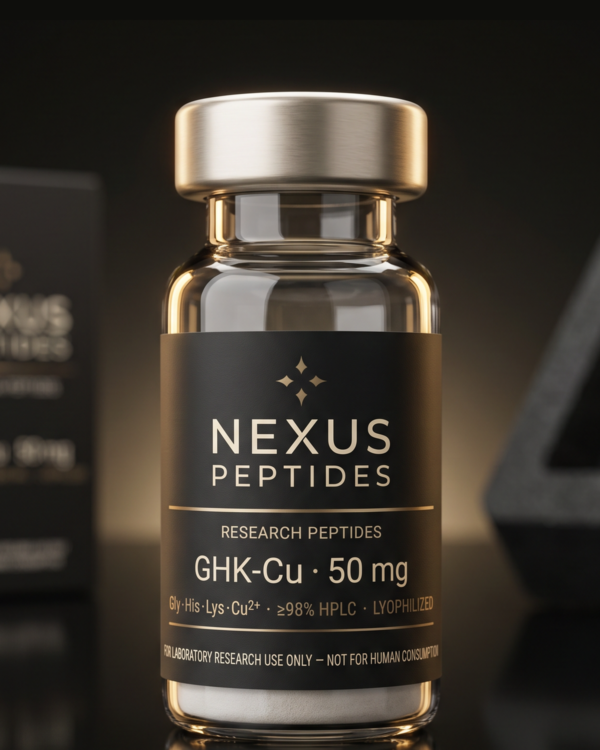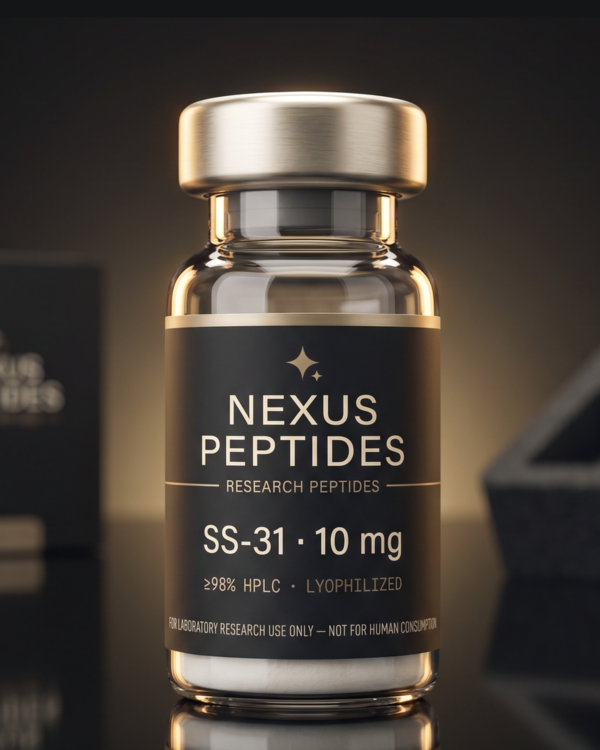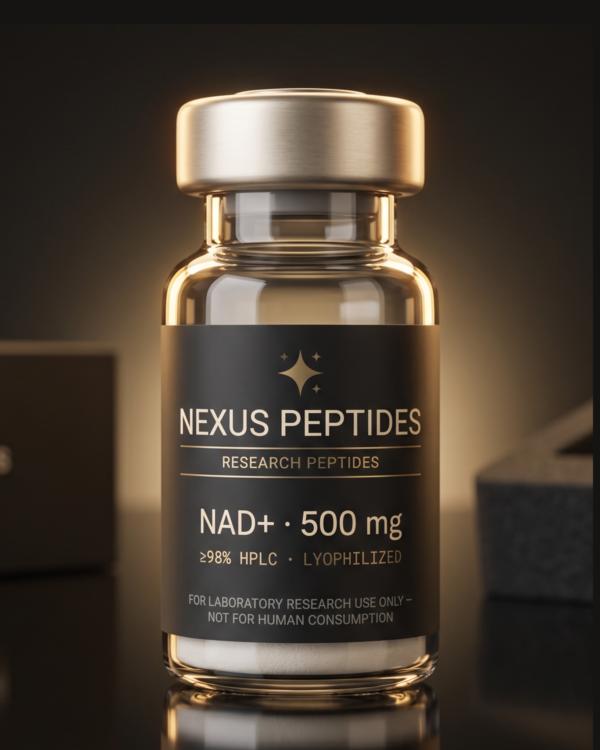
NAD+
NAD-500MG
59,99 €
View →
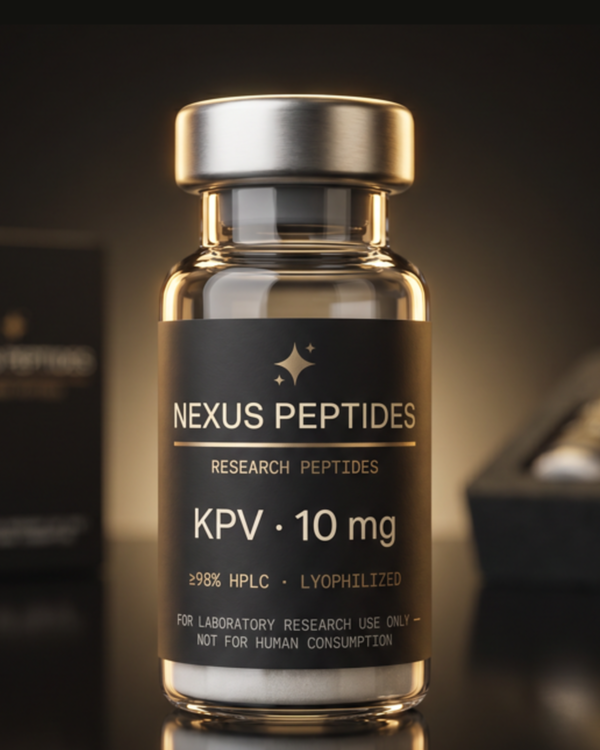
KPV — Lys-Pro-Val tripeptide, C-terminal fragment of alpha-MSH. Studied for anti-inflammatory activity, gut and skin inflammation and antimicrobial effects. 10 mg vial, lyophilized, ≥98% (HPLC). Reagent for in-vitro laboratory research only.
Payment on delivery — pay when your order arrives
KPV is a tripeptide (Lys-Pro-Val) corresponding to the C-terminal sequence of alpha-melanocyte-stimulating hormone (α-MSH). In laboratory models it retains much of the studied biological activity of the parent peptide, and it has been the subject of preclinical research on inflammatory signaling pathways, with particular focus on intestinal mucosa and epithelium models.
In the published preclinical literature, KPV has been investigated in laboratory and in-vitro models for its effects on:
In plain terms: a small but potent anti-inflammatory peptide, studied especially in gut and skin research.
Legal Disclaimer: Reagent intended exclusively for in vitro scientific research by qualified professionals. Not intended for human or veterinary consumption, nor for any therapeutic, diagnostic, or cosmetic purpose. This product is not a medicine, food supplement, or cosmetic. Nexus Peptides accepts no responsibility for any use outside the scope of laboratory research.
This website is intended exclusively for researchers and scientific professionals. By entering, you confirm that you are 18 years of age or older and that all products are acquired for in vitro laboratory research use only.
Products are not for human or veterinary consumption, nor for any therapeutic, diagnostic, or cosmetic purpose.