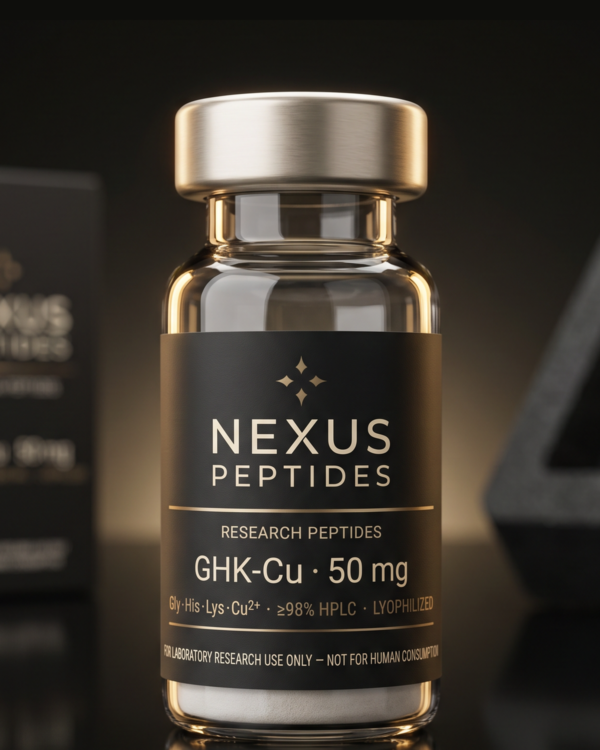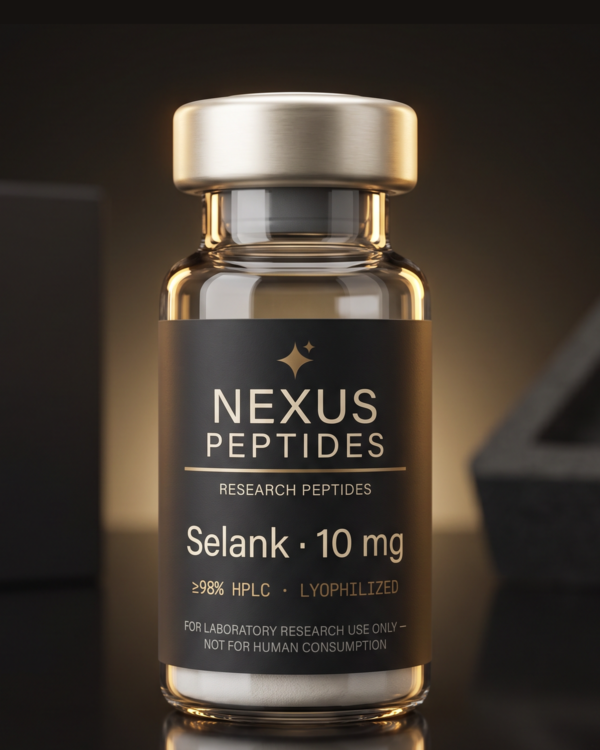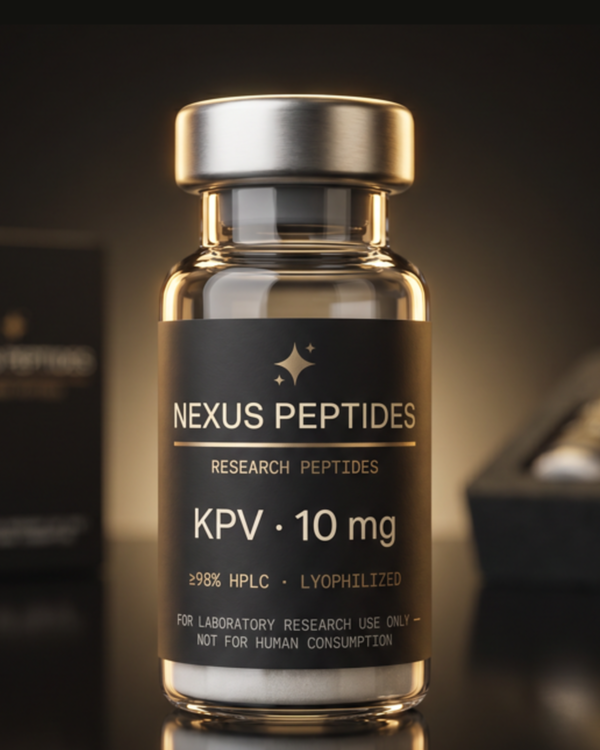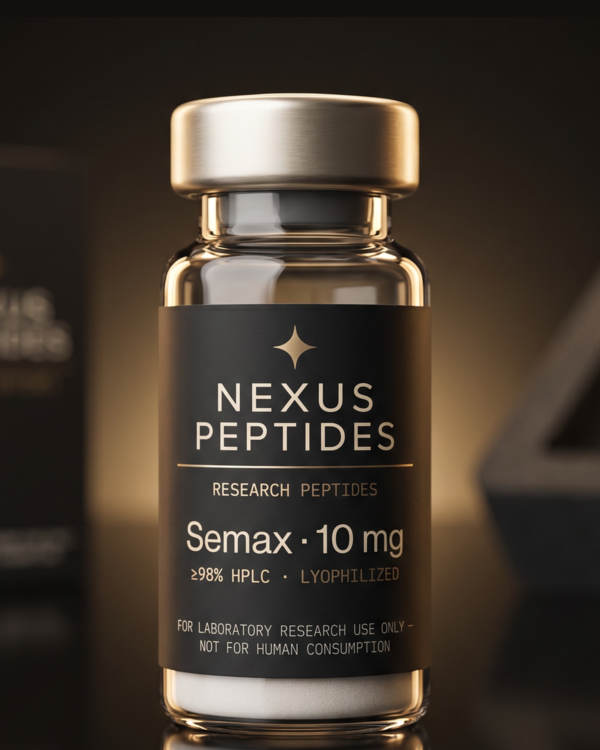
Semax
SEMAX-10MG
34,99 €
View →
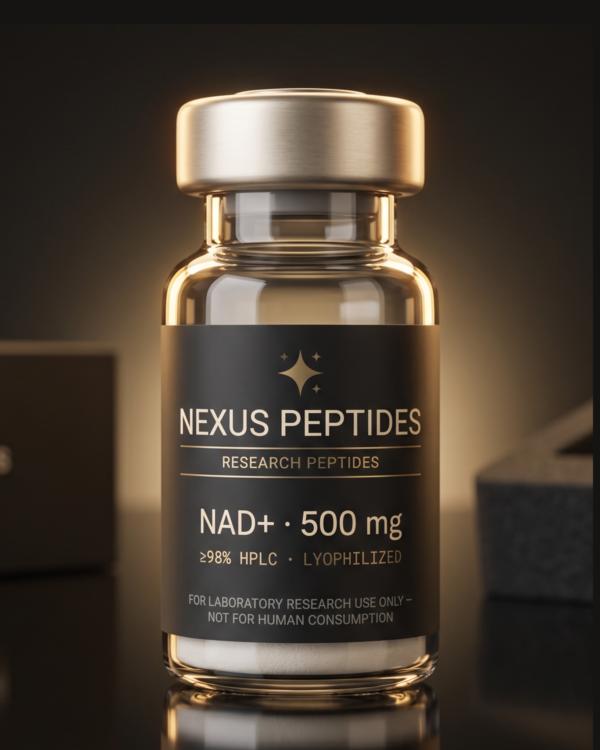
NAD+ — universal redox coenzyme. Studied for cellular energy metabolism, DNA repair (sirtuins and PARPs) and longevity. 500 mg vial, lyophilized, ≥98% (HPLC). Reagent for in-vitro laboratory research only.
Payment on delivery — pay when your order arrives
NAD+ (Nicotinamide Adenine Dinucleotide, oxidized form) is a coenzyme present in all living cells, central to the oxidation-reduction reactions of energy metabolism and a substrate of enzymes such as sirtuins and PARPs. The variation of its cellular levels throughout life has made it one of the most active targets of contemporary research into mitochondrial biology, DNA repair and cellular senescence in laboratory models.
In the published preclinical literature, NAD+ has been investigated in laboratory and in-vitro models for its effects on:
In plain terms: a master coenzyme central to energy, DNA repair and longevity research.
Legal Disclaimer: Reagent intended exclusively for in vitro scientific research by qualified professionals. Not intended for human or veterinary consumption, nor for any therapeutic, diagnostic, or cosmetic purpose. This product is not a medicine, food supplement, or cosmetic. Nexus Peptides accepts no responsibility for any use outside the scope of laboratory research.
This website is intended exclusively for researchers and scientific professionals. By entering, you confirm that you are 18 years of age or older and that all products are acquired for in vitro laboratory research use only.
Products are not for human or veterinary consumption, nor for any therapeutic, diagnostic, or cosmetic purpose.